
One of the biggest headaches in offshore wind platform maintenance is erecting scaffolding. High winds, high waves, and limited space mean that improper scaffolding can delay work and pose safety risks. Today, we’ll discuss commonly used scaffolding solutions for offshore wind platform maintenance, using plain language that’s easy to understand and avoiding any unnecessary jargon.How to Erect Scaffolding Inside Confined Historical Buildings
First, fixed scaffolding: stable and reliable! This type of scaffolding is mainly used for the main body of the platform maintenance, such as repairing the base or replacing components. Simply put, it’s erected from the platform grounds all the way to the area requiring maintenance, assembling parts one by one and securing them firmly. In the high winds at sea, stability is paramount; this scaffolding is like having roots firmly planted, allowing workers to work without constant swaying.Price Negotiation Techniques for Scaffolding Safety Regulations Across Countries
However, erecting this is somewhat time-consuming. All parts must be transported from land to the offshore platform, and assembly requires extreme care and attention. After all, at sea, even a small mistake can cause trouble. Fortunately, once set up, it lasts a long time, suitable for extended maintenance work, making it worth the cost.How to Inspect Scaffold Safety After Severe Weather
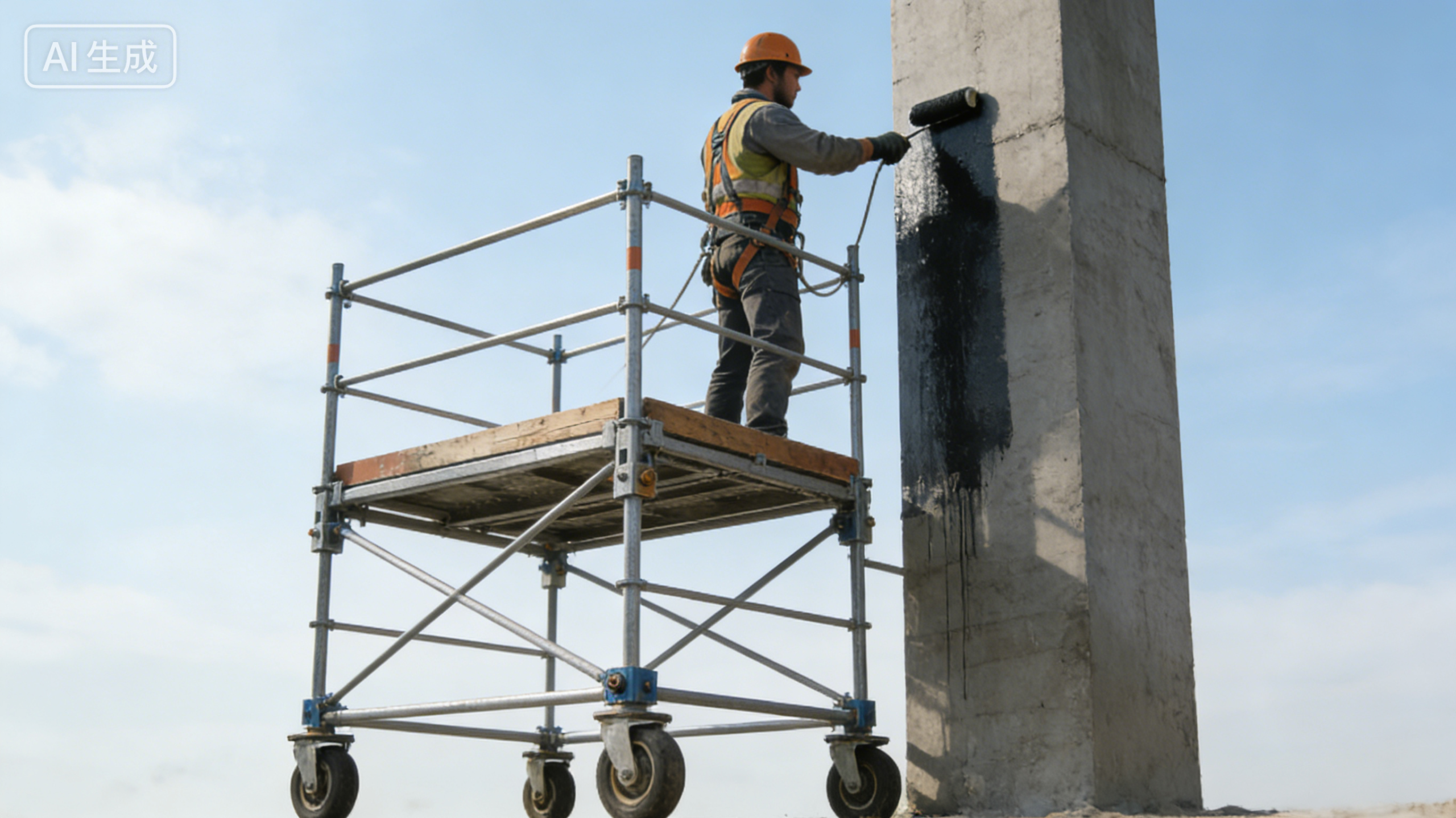
The second type is mobile scaffolding, flexible and convenient! For small-scale maintenance, such as repairing an instrument or touching up paint, there’s no need for a fixed scaffold; a mobile one is perfect. These have wheels, so you can push them anywhere and use them without the hassle of setting them up. Space on offshore platforms is limited, and these small scaffolds don’t take up much space; you can simply push them into a corner after use, which is extremely convenient.
However, there’s a small prerequisite: the ground must be flat. Otherwise, it won’t be able to be pushed and is prone to tipping over. While the ground on offshore platforms isn’t bad, you still need to push it slowly to avoid accidentally pushing it to the edge—that would be a real fright. Also, only one or two people should be working at a time; don’t try to do too much, safety first.
The third type is suspended scaffolding, essential for high-altitude operations! If the maintenance area is high up on the platform, such as near wind turbine blades, where both fixed and movable scaffolding are inconvenient, suspended scaffolding is used. Simply put, the scaffolding is hung from fixed points at the top of the platform, and workers stand on the suspended scaffolding to work, saving a lot of setup time.
The biggest advantage of this type of scaffolding is that it saves space, eliminating the need to build it all the way up from the ground, making it especially suitable for narrow, high-altitude areas. However, in strong winds, the scaffolding may sway slightly, so workers need to stay focused and avoid being blown away. Don’t worry, safety ropes are always securely fastened; ropes are stronger than anything else and won’t cause any problems.
The fourth type is modular scaffolding, which is fast and flexible to assemble! Many offshore maintenance projects now use this modular type. The parts are pre-made modules that are transported to the platform and assembled directly, like building blocks—very quick. In offshore maintenance, time is money; saving setup time means getting more actual work done.
This type of scaffolding can be adjusted to different sizes to meet specific needs. You can assemble it to your desired height and width without cutting parts. The only minor inconvenience is that the modules need to be delivered in advance. If a part is missing when needed, it will cause problems, delaying the project and causing headaches.
Choosing scaffolding isn’t that complicated. The core considerations are safety, convenience, and suitability for the job. The marine environment is unique, so don’t choose or assemble haphazardly. Select the right solution based on the location and scope of maintenance. This will ensure workers work with peace of mind, and the work will be completed quickly and efficiently.