
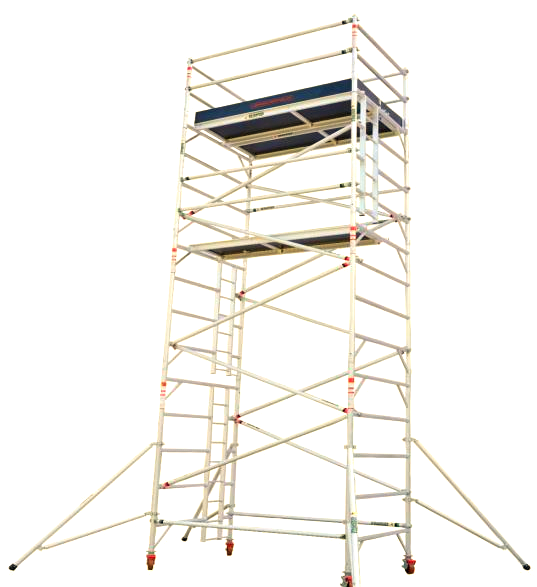
Anyone in the construction industry knows how troublesome scaffolding materials like steel pipes and fasteners can be. If left unattended, they might be stolen at night; even if not, they could be damaged. Lost or damaged materials not only delay the project but also incur unnecessary repair costs – a headache for anyone. Today, I’ll share some simple tips to keep these problems at bay.5 Golden Rules for Scaffold Safety
First, someone needs to keep a close watch on the construction site entrance. Don’t be lazy; find a reliable gatekeeper or security guard to patrol day and night in shifts. Outsiders must be asked what they’re doing and who they’re looking for before entering the site. Especially at night, thieves love to operate under cover of darkness. Have security guards patrol the area frequently, shining flashlights around the scaffolding. Seeing that someone is watching, thieves are unlikely to dare to wander around. If conditions permit, install surveillance cameras pointing at the scaffolding and material storage areas. Even if an incident occurs, it will be possible to trace who did it.How to Inspect Scaffold Safety After Severe Weather
Then, don’t pile materials haphazardly; collect them promptly after use. Don’t leave steel pipes and fasteners on the scaffolding lying around when not in use; quickly remove them and pile them in designated areas, preferably enclosed by a fence. Don’t pile them haphazardly; neatly arrange them so that missing one or two pieces can be immediately noticed. Also, for more valuable materials, such as bolts and connectors, it’s best to store them in a temporary, locked warehouse at night, rather than leaving them exposed to thieves. Don’t think, “It’ll be fine for just one night.” Many thefts are impulsive; if you give them an easy opportunity, they’ll dare to act.How to Erect Scaffolding Inside Confined Historical Buildings
Furthermore, posting warning signs is effective. Find a few simple signs that say, “Stealing materials is prohibited; violators will be reported to the police,” and “Damaging construction site facilities will result in compensation.” Post them in conspicuous places such as next to the scaffolding and at the construction site entrance. Don’t underestimate these signs. Some people are naturally mischievous, but seeing the signs and knowing they’ll be held responsible for vandalism might deter them. The signs don’t need to be complicated; just make sure the lettering is large and legible. Simple and direct is more effective than anything else.
In addition, regular inspections are essential. Before work begins or after each day, send someone to check if any materials on the scaffolding are missing or damaged. For example, check if steel pipes have been cut, if any fasteners are missing, or if any screws are loose. Address any problems immediately. Report missing materials promptly, and replace any damaged parts immediately. Don’t delay. Sometimes, discovering something a day earlier can prevent greater losses and remind everyone to be more vigilant.
Finally, cultivate good relationships with those in the surrounding area. Reach out to residents and shop owners near the construction site and ask them to keep an eye out for anyone loitering near the scaffolding. With everyone working together, even mountains can be moved. If those in the area are willing to help keep an eye out, thieves and vandals will have nowhere to hide. In ordinary times, helping each other out with minor issues will ensure others are willing to lend a hand in crucial moments, which is much less stressful than trying to prevent it alone.
Actually, preventing scaffolding materials from being stolen or damaged isn’t that complicated. The key is to “keep a close eye on them, store them properly, and be more attentive.” You don’t need any complicated tricks; doing these simple things well will largely guarantee material safety, ensure a smooth construction schedule, and save you the trouble of losing materials or repairing damaged parts.