
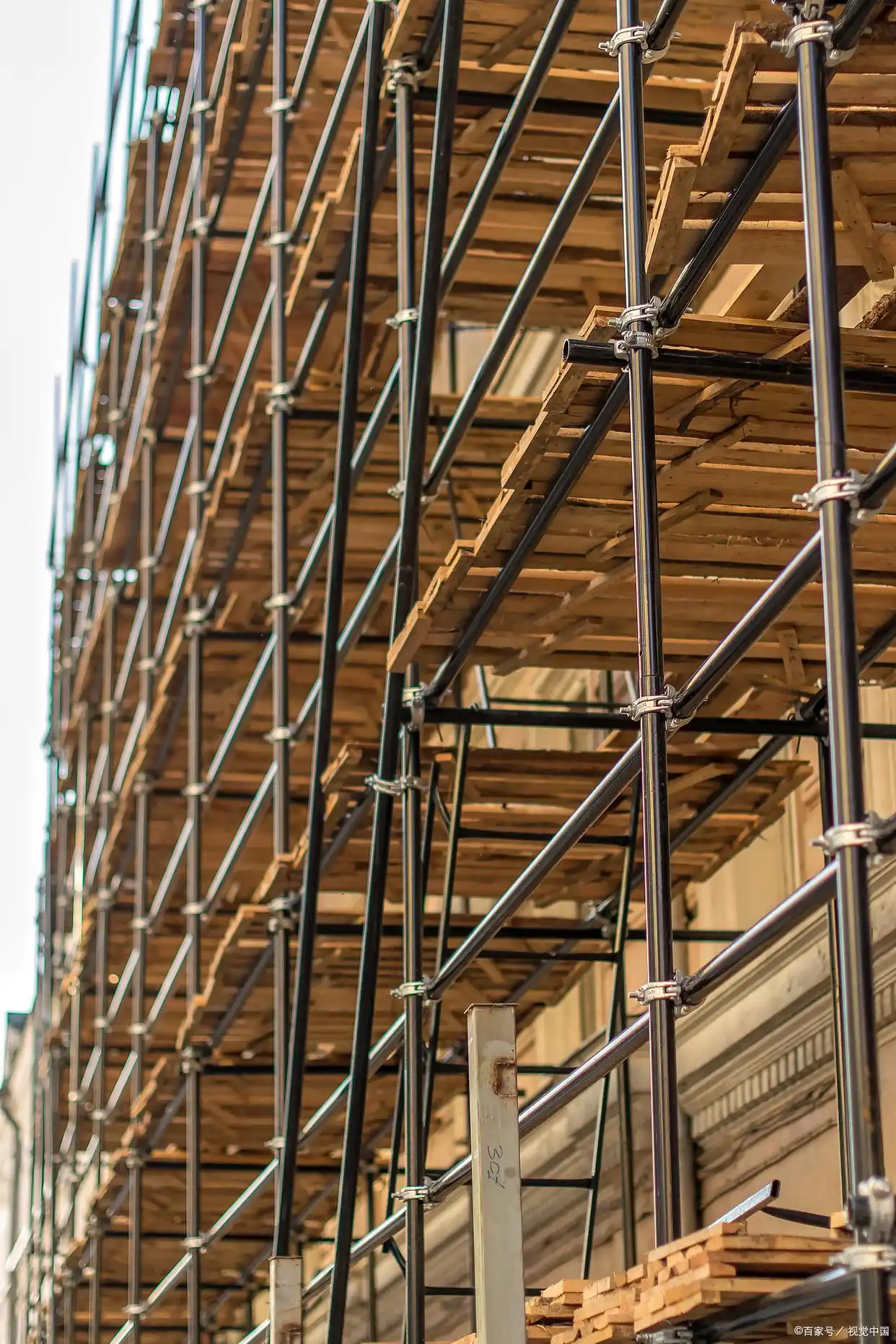
Scaffolding is a core safety facility in construction, and its quality directly affects construction safety. The manufacturer’s reputation, on the other hand, influences the stability of the entire cooperation process. For large-scale construction projects or long-term procurement needs, accurately evaluating the quality and reputation of scaffolding manufacturers is crucial for mitigating procurement risks and ensuring the smooth progress of the project. The evaluation should focus on two core dimensions: “hard power” (quality) and “soft power” (reputation), combined with a comprehensive judgment based on various details. Below is a detailed breakdown of specific evaluation points and practical methods.How to Obtain Bulk Quotes for Scaffolding Systems in Large-Scale Projects
Product quality certification and standard compliance are the fundamental prerequisites for evaluating a manufacturer’s quality. A high-quality manufacturer will inevitably possess a complete quality certification system. It is essential to verify whether they have passed internationally recognized certifications and mandatory certifications required by the project’s host country: CE certification is required for exports to Europe, ANSI standards are required for exports to the United States, and the globally recognized ISO 9001 quality system certification is also a core reference. Simultaneously, manufacturers should be required to provide detailed product testing reports, focusing on key indicators such as the scaffolding’s load-bearing capacity, corrosion resistance, and material strength, ensuring that the product complies with construction safety regulations. Furthermore, it’s advisable to verify whether the manufacturer participates in industry standard setting. Companies involved in standard setting typically have advantages in technical strength and quality control.Where to Find Reliable International Scaffolding Suppliers
Production capacity and a robust quality control system are core supports for ensuring stable quality in mass-produced products. The evaluation should assess the manufacturer’s production scale, including annual capacity, number of production lines, and level of automation, ensuring it can match the project’s bulk procurement needs. Focus should be placed on examining the quality control process, from raw material procurement (e.g., material certificates for steel and aluminum), production and processing (e.g., quality monitoring of welding and painting processes), to finished product inspection (e.g., dimensional accuracy testing, load testing), with complete control records required. When possible, an on-site inspection of the production workshop can be conducted to assess the sophistication of the production equipment, the standardization of workshop management, and the presence of an independent quality testing laboratory. These details directly reflect the stability of product quality.How to Obtain Bulk Quotes for Scaffolding Systems in Large-Scale Projects
Past project performance records are crucial for evaluating a manufacturer’s reputation. Prioritize manufacturers with experience in large-scale or similar construction projects, such as commercial complexes, bridge infrastructure, and oil and gas engineering projects. Verification can be done through project contracts, acceptance reports, and other documents provided by the manufacturer. Simultaneously, focus on the manufacturer’s delivery capabilities, verifying past projects for issues such as delayed delivery or rework due to substandard product quality. For international collaborations, it’s also necessary to understand their overseas project service experience, including proficiency in customs clearance procedures and cross-border transportation capabilities, to avoid project delays due to insufficient performance.
Customer reputation and industry evaluations objectively reflect a manufacturer’s credibility. Check a manufacturer’s membership qualifications and industry evaluations through international industry associations (such as IASA and NASC). High-quality manufacturers often enjoy industry recognition and honors. View genuine reviews from other buyers on professional B2B platforms (such as Alibaba and Duscaffold), focusing on product quality feedback, after-sales service experience, and problem-solving efficiency. Furthermore, proactively contact the manufacturer’s past clients, especially those with similar large projects, to understand their actual experiences during the collaboration process and obtain the most direct credibility reference.
After-sales service and warranty policies are an extension of a manufacturer’s credibility. High-quality manufacturers typically provide clear warranty periods (e.g., 1-3 years) and detailed warranty coverage (e.g., free repair or replacement for product quality issues). Simultaneously, it’s necessary to assess their after-sales service response speed, whether they provide 24-hour technical support, on-site installation guidance, and the efficiency of their solutions and handling of quality issues. A comprehensive after-sales service system not only ensures safe use after purchase but also reflects the manufacturer’s confidence in their products and their responsible attitude.
In summary, evaluating the quality and reputation of a scaffolding manufacturer requires a comprehensive assessment from multiple dimensions, including product certification, production control, contract performance records, customer reputation, and after-sales service. This avoids decision-making biases caused by judging from a single dimension. Only through scientific and comprehensive evaluation can high-quality and reliable partners be selected, providing a solid guarantee for the safe and efficient progress of construction projects.