
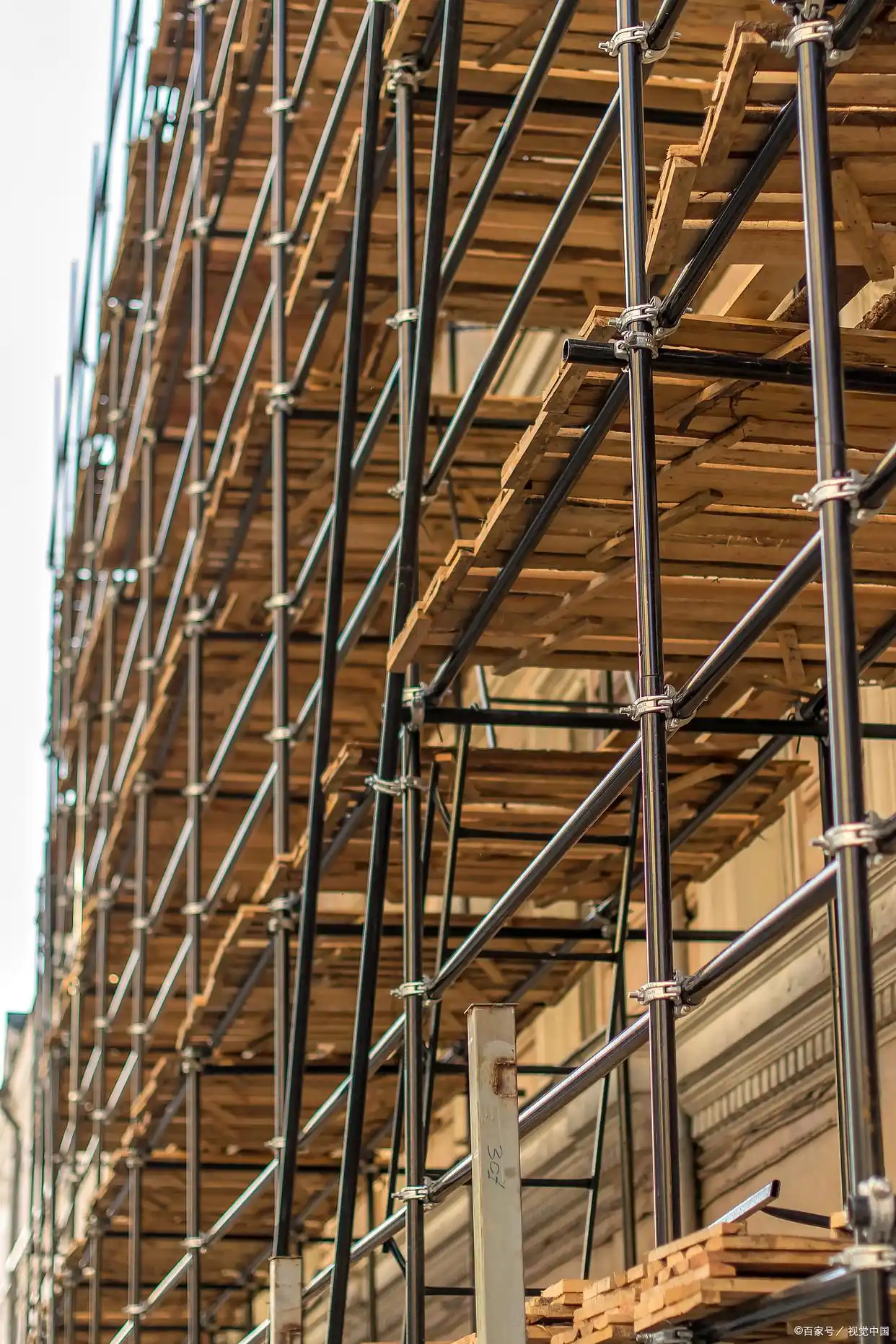
Whether building a house, repairing an exterior wall, or replacing glass in a building, scaffolding is indispensable. It’s like a “high-altitude stage” for construction workers, but if this stage isn’t built safely, the consequences can be severe. Every year, there are accidents involving scaffolding both domestically and internationally, most of which stem from failure to follow basic rules. Today, we’ll discuss 5 golden rules for scaffold safety—simple, easy to remember, and following them can minimize risks.Additional Reinforcement Measures for Scaffolding in Windy Areas
Rule 1: Check the ground and materials before erecting. The ground is fundamental to the stability of the scaffolding. If the ground is uneven, has pits, or is soft soil, you must first place wooden planks or steel plates to compact it; otherwise, it may tilt halfway through erection. Additionally, the steel pipes and fasteners used in the scaffolding must not have cracks, rust, or deformation. Many construction teams have a specialist inspect the materials before starting work, just like checking the freshness of ingredients before cooking; defective materials are never used.How to Fix Shaking and Creaking Scaffolding?
Rule 2: Guardrails and toeboards are essential. Working on scaffolding, a sudden slip can easily lead to an accident. Therefore, no matter how low the scaffolding is, guardrails must be installed—at least two layers, reaching above waist height, so that your arms are stable when you lean against them. There are also toe boards, small barriers installed at the edges of the scaffolding. Don’t underestimate their use; they can prevent tools and parts from falling and hitting people, and also prevent your feet from accidentally sticking out. Many construction sites are strict; without these two items, work simply cannot begin.How to Conduct Daily and Weekly Routine Safety Inspections of Scaffolding
Thirdly: Use only designated access routes for going up and down. Some workers, for convenience, climb directly up the steel pipes of the scaffolding, which is practically playing with their lives. The proper procedure is to use dedicated ladders or ramps. These routes have anti-slip designs and are much safer than climbing steel pipes. Remember, the horizontal bars of the scaffolding are not ladders; don’t use them as footholds. Just like walking on a sidewalk, you must use designated “safety routes” for going up and down scaffolding.
Fourthly: Don’t overload the structure, and don’t pile things on it haphazardly. Scaffolding has its own load-bearing limits; not everything can be piled on top of it. For example, a single scaffold plank should not be used by three or four workers simultaneously, nor should it be piled with heavy tiles or cement. There have been cases of scaffolding collapses because workers piled too much material on it, exceeding its load-bearing capacity. Materials should be taken out only as needed and removed promptly after use. Keeping the scaffolding tidy also reduces its weight.
Fifth rule: Never work in inclement weather. Never go on scaffolding during strong winds, heavy rain, or when it’s icy or snowy. The wind will cause the scaffolding to sway, and the wet, slippery ground increases the risk of falls. Construction teams have regulations that require immediate work stoppage and evacuation if the wind force exceeds level six or the weather is bad. Don’t try to “rush the schedule”; forcing work in bad weather can easily lead to serious accidents and ultimately waste more time.
These five rules are actually quite simple; the core is “don’t be lazy, follow the rules.” Construction safety supervision is very strict. Adhering to these rules is not just about passing inspections, but also about your own safety. Whether you are an experienced veteran or a newcomer, you must keep these rules in mind. After all, safety is always the top priority when working at heights. Paying more attention can reduce risks and put your family at ease.