
For Chinese-made scaffolding, the core hurdle to exporting to the European market is meeting the mandatory EU compliance requirements, with CE certification being a prerequisite. Europe has strict regulations on construction safety products. Scaffolding, as a temporary structure directly related to the safety of construction workers, must obtain designated certification and meet relevant technical standards to legally enter the EU member state market. Companies need to accurately grasp the core certification requirements, supporting standards, and procedural details to avoid export delays or economic losses due to compliance issues.Scaffolding Purchase vs. Rental
Core Certification: CE certification is the mandatory entry certificate for scaffolding exported to Europe, indicating that the product complies with the EU’s Construction Products Regulation (CPR) and related safety standards. Applying for CE certification requires relying on an EU-recognized notified body (such as TÜV, DEKRA). The core process includes: preparation of technical documents (design drawings, material reports, structural calculations, etc.), product type testing, factory quality system audit, signing of a declaration of conformity, and finally obtaining a certification certificate and affixing the CE mark. It should be noted that non-EU companies must entrust an authorized EU representative to assist with the relevant procedures to ensure compliance with the certification process.How to Choose a Scaffolding System for Commercial Building Projects?
Supporting Core Standards: CE certification must strictly adhere to EU specific technical standards, with the EN 12810 and EN 12811 series being the most crucial. EN 12810 sets forth specific requirements for steel scaffolding systems, while EN 12811 standardizes the design, implementation, and testing standards for temporary structures (including scaffolding), including core indicators such as load capacity, stability, and material strength. For example, static load testing requires the scaffolding to withstand 1.5 times its rated load for 24 hours with permanent deformation not exceeding 0.2%; metal components must pass a salt spray test, with a zinc coating thickness of not less than 85μm. Furthermore, the steel material must comply with EN 10025 standards, and welding processes must meet EN ISO 3834 requirements to ensure material and process compliance.
For purchases, please add the following WhatsApp contact.
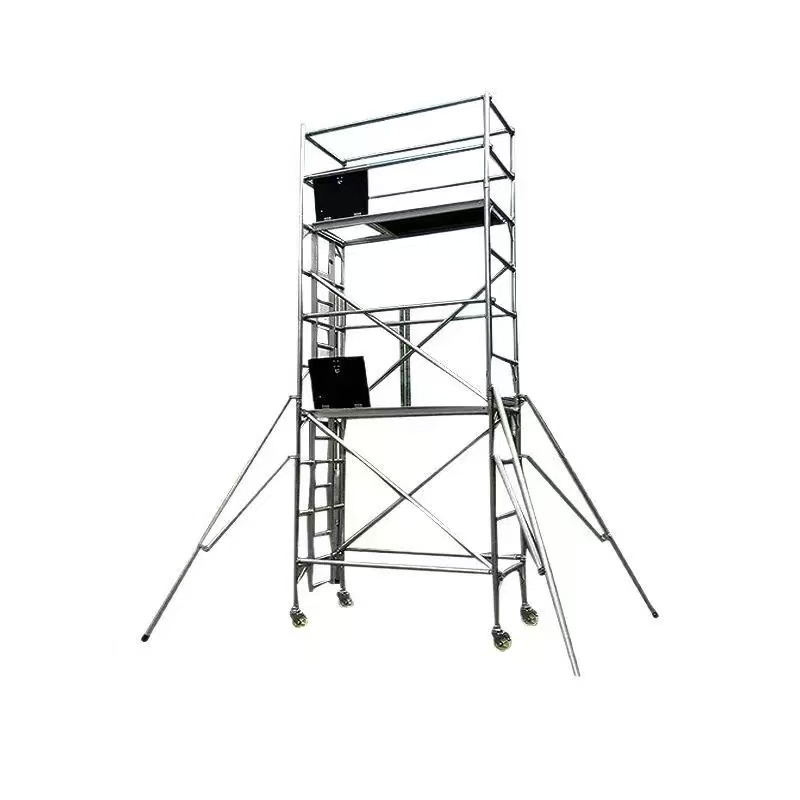
Specific Tests and Supplementary Requirements: Depending on the type of scaffolding, specific testing items must be completed. Mobile scaffolding must additionally comply with EN 1004 standards, including testing for wind load, snow load capacity, caster performance, and overall structural stiffness. Fasteners and accessories must adhere to EN 74-1 standards, undergoing tests for slip resistance, damage resistance, and torsional stiffness. Furthermore, product labeling must be standardized and permanently displayed, including the CE mark, certification number, production batch number, and safe load value. Exporting companies should also pay attention to EU EPR regulations, prioritizing environmentally friendly anti-corrosion treatments such as galvanizing or epoxy coating to meet recyclability and sustainability requirements.
In summary, the core of exporting Chinese-made scaffolding to Europe is obtaining CE certification and strictly complying with the requirements of EN 12810, EN 12811, and other related standards. Companies need to proactively review the specific standards corresponding to their product types, prepare complete technical documents, select compliant notified bodies to advance the certification process, and standardize the production process and product labeling. Certification is not a one-time event; subsequent annual surveillance audits are required to ensure consistency between batch products and test samples. Obtaining compliant certification is not only a legal requirement for market access but also a crucial guarantee for enhancing product international competitiveness and reducing export risks.